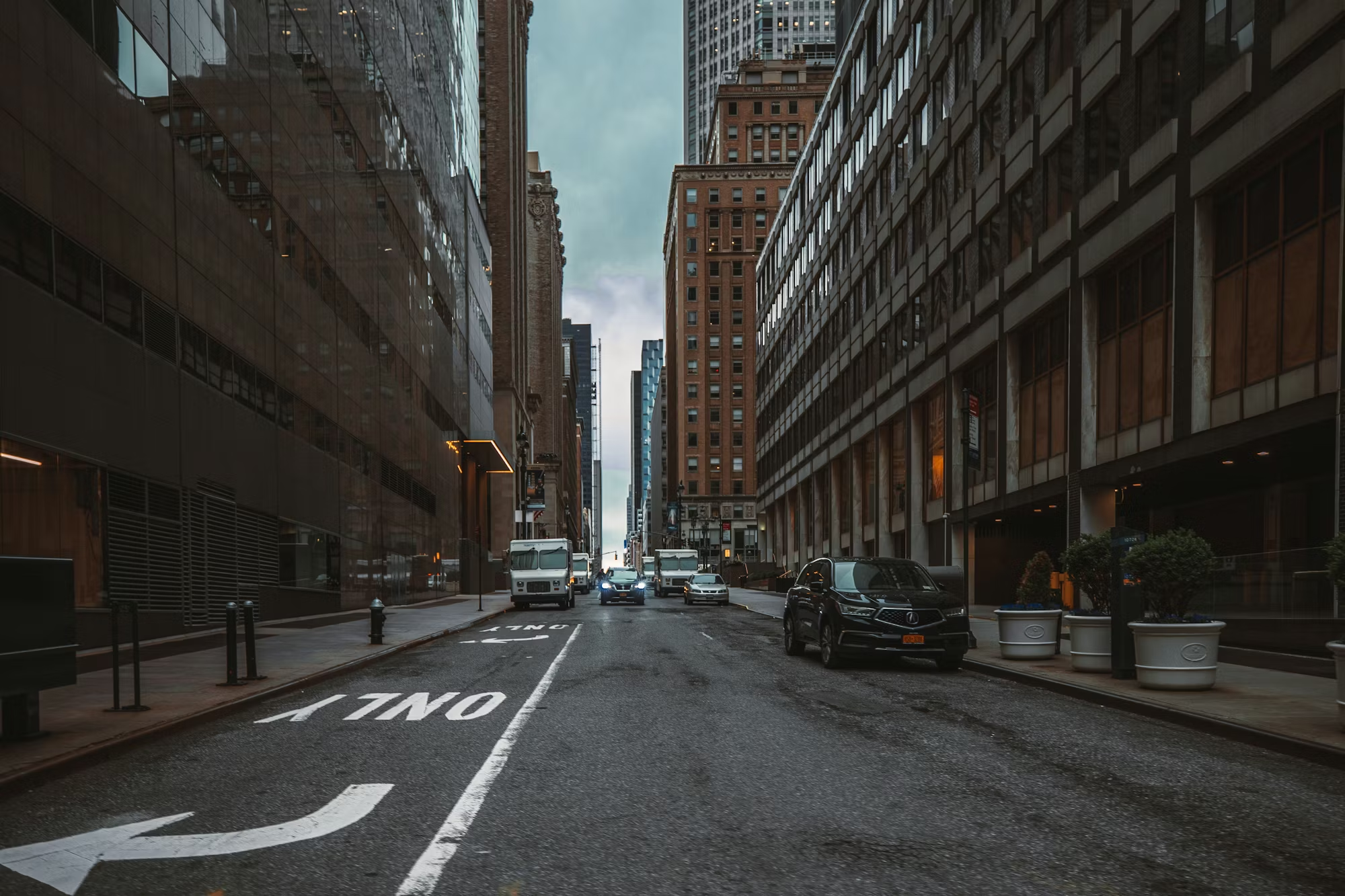
Skyscrapers have transcended their role as mere architectural landmarks; they are now pivotal elements in the evolution of urban living. As cities continue to expand and evolve, these towering structures symbolize not only economic vitality but also innovative approaches to housing, commerce, and community. In this article, we will delve into the various types of skyscrapers, their contributions to urban life, and future trends that promise to reshape our urban environments. Commercial skyscrapers are often at the forefront of urban innovation, serving as hubs of business activity. Buildings such as the Empire State Building in New York or the Shanghai World Financial Center embody the integration of modern design with functional office spaces. These structures accommodate a diverse array of businesses, from multinational corporations to local startups, creating vibrant economic ecosystems. The concentration of companies in these towers fosters collaboration and networking opportunities, ultimately driving innovation. Moreover, advancements in technology have enabled commercial skyscrapers to incorporate smart systems that optimize energy usage and enhance the overall work environment. This shift not only improves operational efficiency but also aligns with the growing emphasis on sustainability in urban development. Residential skyscrapers play a crucial role in addressing the pressing need for housing in densely populated cities. As urban populations swell, high-rise residential buildings offer solutions that maximize land use while providing comfortable living spaces. Iconic examples include the Marina City complex in Chicago and the One World Trade Center, which combine luxury living with stunning views and modern amenities. These skyscrapers not only enhance urban density but also contribute to the vibrancy of their neighborhoods, attracting diverse communities and enriching local cultures. The presence of residential skyscrapers can significantly influence property values in their vicinity, stimulating further investment and development. Hotel skyscrapers combine the worlds of hospitality and urban living, providing essential accommodations for both leisure and business travelers. Iconic structures such as the Ritz-Carlton in Toronto and the JW Marriott Marquis in Dubai showcase how skyscrapers can enhance the guest experience while contributing to the local economy. These hotels often feature upscale restaurants, conference facilities, and leisure amenities, creating a comprehensive experience for guests and attracting visitors from around the globe. The economic impact of hotel skyscrapers is profound, as they draw tourists and business events that generate substantial revenue for the city. The rise of mixed-use skyscrapers represents a revolutionary approach to urban design, integrating residential, commercial, and recreational spaces within a single structure. Developments like Hudson Yards in New York and the Bosco Verticale in Milan exemplify this trend, creating dynamic environments that foster community interaction and enhance the quality of life for residents. By blending various functions in one building, mixed-use skyscrapers promote sustainability and convenience, reducing the need for extensive commuting and encouraging a walkable urban lifestyle. These developments often attract diverse businesses and recreational activities, revitalizing urban areas and making them more appealing to residents and visitors alike. Iconic landmark skyscrapers not only serve as architectural symbols but also play a significant role in shaping the identity of their cities. Structures such as the Burj Khalifa in Dubai and the CN Tower in Toronto are recognized worldwide, drawing millions of tourists each year. The economic benefits of these landmarks extend beyond direct tourism revenue; they inspire pride among residents and contribute to the overall branding of the city as a global destination. As cities compete for attention on the international stage, iconic skyscrapers will continue to be vital in attracting investment and tourism. Sustainability is becoming increasingly critical in skyscraper design, reflecting a broader societal commitment to environmental stewardship. Green skyscrapers prioritize energy efficiency, renewable energy sources, and sustainable materials, aiming to reduce their ecological footprint. Examples like the Bosco Verticale, with its vertical gardens and integrated ecosystems, illustrate how skyscrapers can enhance urban biodiversity while promoting cleaner air and improved quality of life. The financial advantages of green skyscrapers are significant; they attract environmentally conscious tenants and investors, aligning with the growing market trend favoring sustainable development. Observation skyscrapers also play an essential role in urban tourism, offering breathtaking views and unique experiences for visitors. Structures like the Tokyo Skytree and the Willis Tower Skydeck not only provide stunning panoramas of their cities but also serve as popular tourist attractions. The economic impact of observation decks extends to local businesses, as tourists often explore surrounding areas, dining, shopping, and enjoying cultural experiences. By drawing visitors to urban centers, observation skyscrapers contribute significantly to the financial health of cities. Historic skyscrapers retain a unique value in urban economies, bridging the past and present. Buildings like the Woolworth Building in New York and the Chifley Tower in Sydney embody rich architectural histories while housing modern businesses. Preserving and repurposing these historic structures can revitalize neighborhoods, attracting tourists and investment while honoring a city’s heritage. The adaptive reuse of historic skyscrapers not only protects architectural gems but also enriches the urban landscape. The emergence of supertall skyscrapers, defined as structures exceeding 300 meters, represents a pinnacle of architectural ambition and economic investment. Buildings like the Shanghai Tower and the Abraj Al Bait Clock Tower showcase remarkable engineering feats and symbolize economic strength. The construction of these skyscrapers involves substantial financial resources and cutting-edge technology, highlighting a commitment to pushing the boundaries of urban development. However, supertall skyscrapers also face challenges, particularly in terms of sustainability and community integration, requiring careful planning to ensure they benefit both the economy and the environment. Skybridges and linked skyscrapers offer innovative solutions for urban connectivity, promoting collaboration and efficient use of space. By connecting multiple towers, these structures foster a sense of community and encourage businesses to thrive in proximity to one another. Financially, linked skyscrapers can attract more companies by providing seamless access between buildings, enhancing the overall functionality of urban spaces. In conclusion, skyscrapers are more than just towering structures; they are integral to the evolution of urban living and economic growth. By understanding the diverse roles that different types of skyscrapers play in shaping cities, we can appreciate their significance as vital contributors to the economic and cultural fabric of modern life. As urban environments continue to evolve, skyscrapers will remain at the forefront of development, acting as catalysts for innovation and transformation in urban living.